Free Shipping
Cash on Delivery
Free Shipping
Secure Payments
Cash On Delivery
Bhutib began in the foothills of the Eastern Himalayas — where Lepcha, Bhutia, Tamang and Nepali families have woven, stitched and worn their identities for generations. We are not outside observers curating a culture. We are from here.
Bhutib Artisan Craftmanship
Bhutib was founded after years of watching artisans — the women who stitch Pangden aprons in Kalimpong’s back lanes, the weavers producing Dhaka handloom yardage in Darjeeling — sell their finest work for a fraction of its worth. The problem was never the craft. It was reach.
We started with a simple conviction: a Rai Cholo blouse made by a skilled tailor in Kalimpong deserves the same platform as anything from a big-city atelier. That conviction is still behind every decision we make.
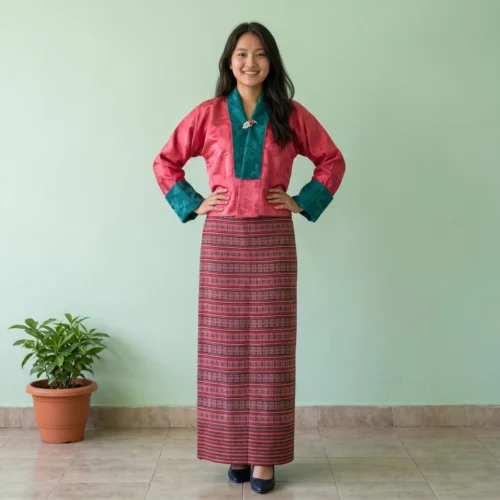
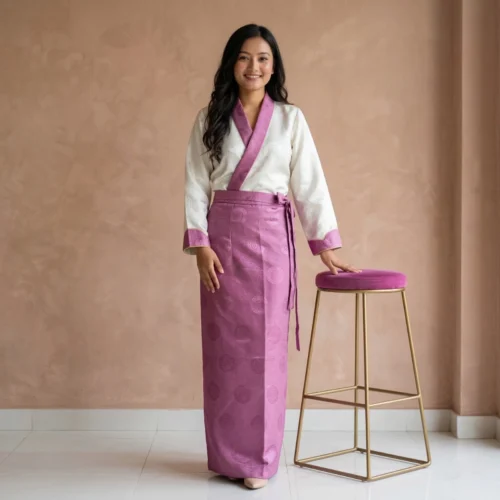
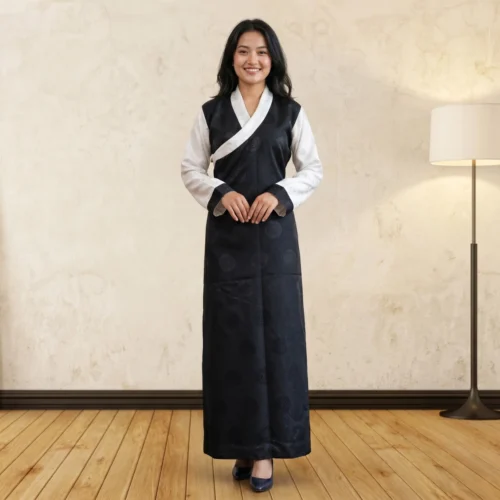
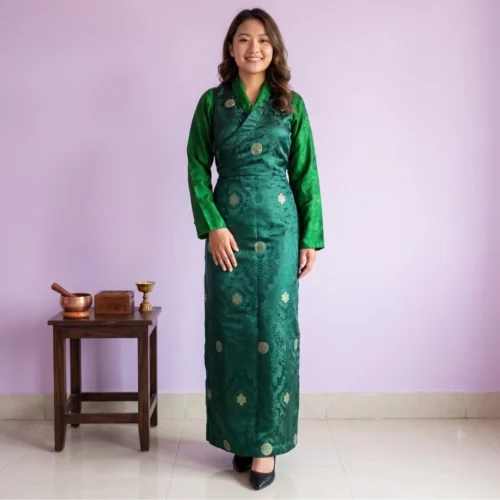
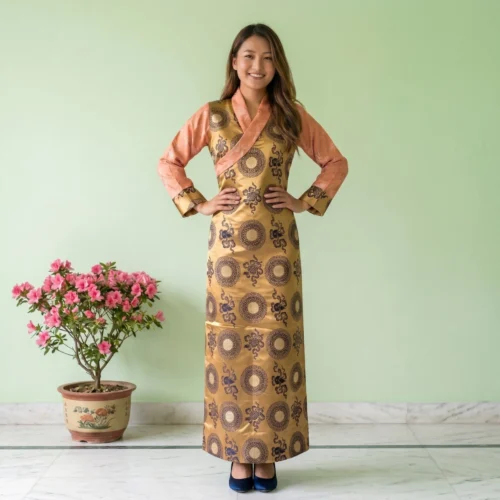
We work with independent tailors, weavers and small workshops across the Eastern Himalayan belt — people whose families have practised these techniques across generations. Every piece on Bhutib carries that lineage. Browse our women’s handcrafted ethnic wear to see the full range.
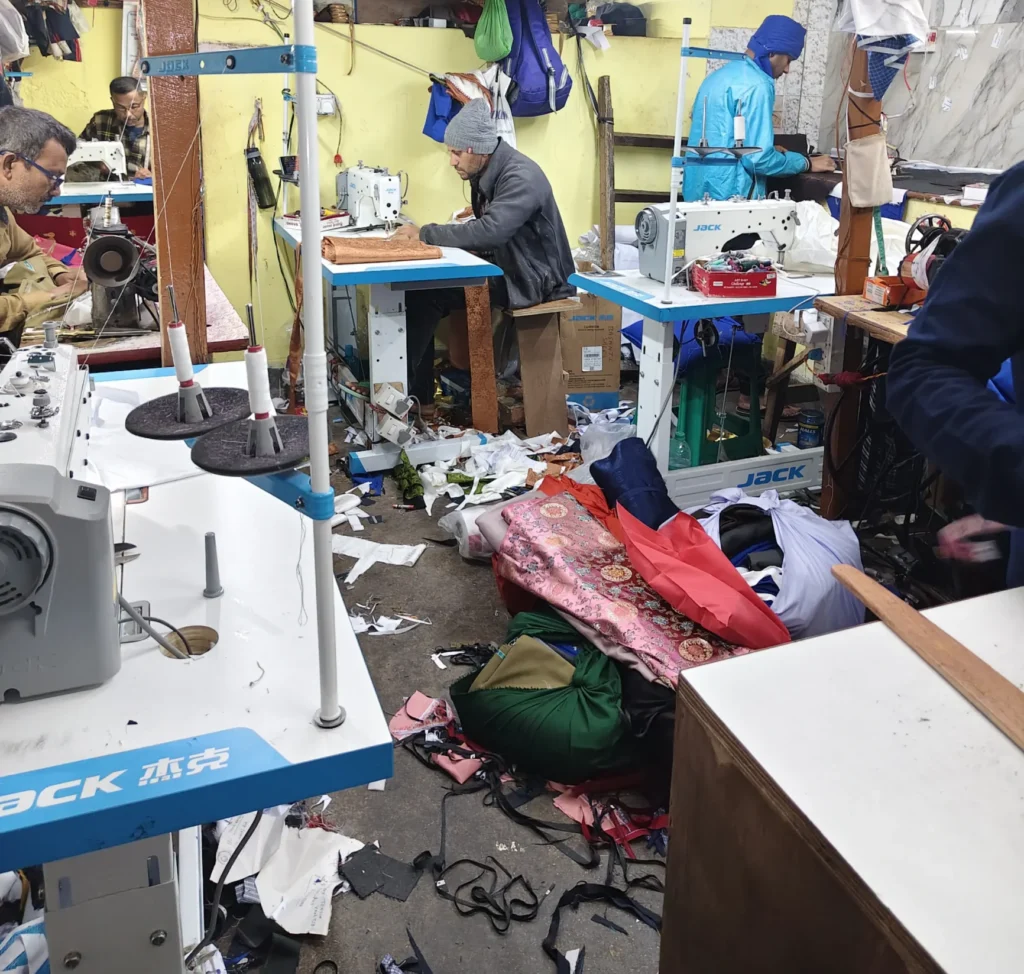
Every garment is stitched by hand. No factory floors. No bulk orders that dilute quality. If it takes longer, it should.
We call things what they are — Bakhu, Daura Suruwal, Pangden apron. The communities who created these deserve correct credit, always.
We pay artisans fairly. We do not negotiate a craftsperson's skill down to a commodity price. That is not a bonus — it is the baseline.
The Eastern Himalayas are home to dozens of distinct ethnic communities, each with its own textile language. We currently celebrate and carry garments from these traditions — click any community to explore their collection:
We call things what they are — a Rai Cholo is a Rai Cholo, not a “tribal top”. The communities who created these garments deserve precise, respectful naming. That is not optional for us.
When you order from Bhutib, your garment passes through a process no factory can replicate. An artisan interprets your measurements. A craftsperson selects the right weave — Dhaka handloom, jacquard brocade, velvet or cotton, depending on the garment’s tradition. Stitching happens by hand. A final check confirms seam lines, border alignment and cultural accuracy.
This is not slow because we haven’t figured out how to speed it up. It is slow because speed and genuine handcraft are fundamentally incompatible. We accept that tradeoff without hesitation.
Explore our men’s handcrafted traditional wear and kids’ ethnic festival wear to see the full range of what our artisans produce.
We are three months old and still growing — but our commitment to the communities behind every garment is not something that takes time to earn. It was the starting point. Have a question about a garment’s origin, sizing, or the community it belongs to? We answer every message personally.
West Bengal, India
Fair pay, always
Responsive support
We reply personally
Full tracking included