
Free Shipping
Cash on Delivery
Free Shipping
Secure Payments
Cash On Delivery
Showing 81–105 of 105 resultsSorted by popularity



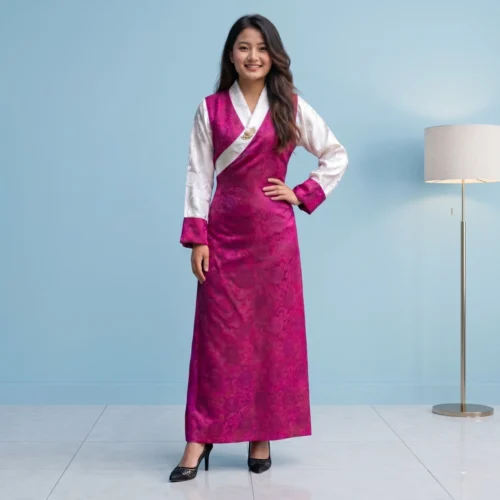
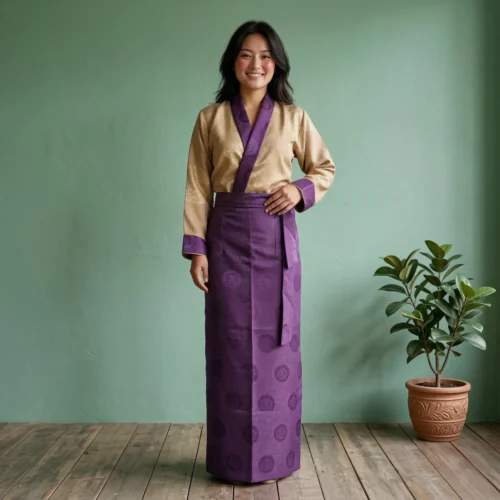
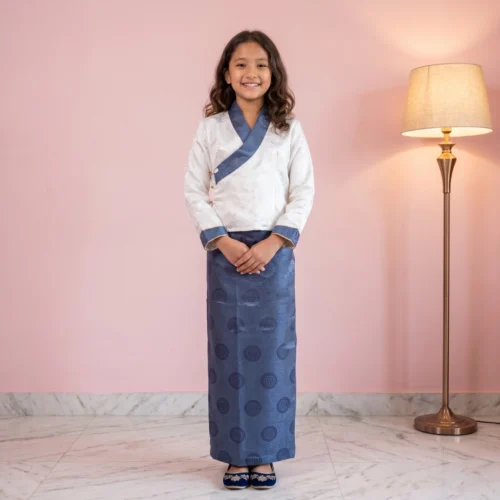

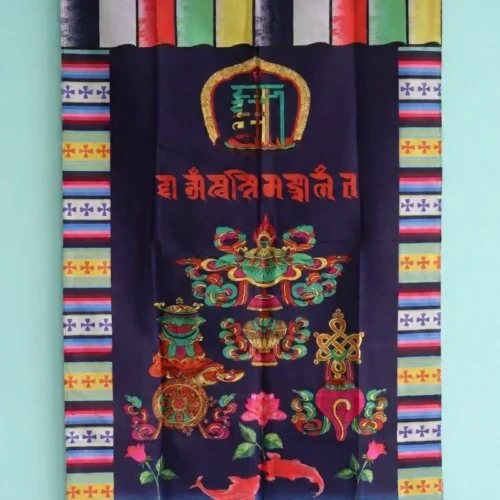
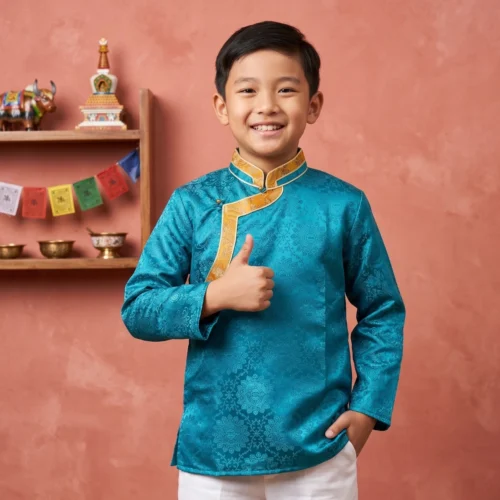
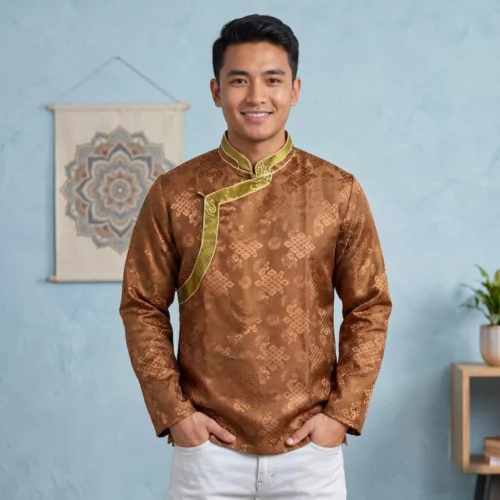
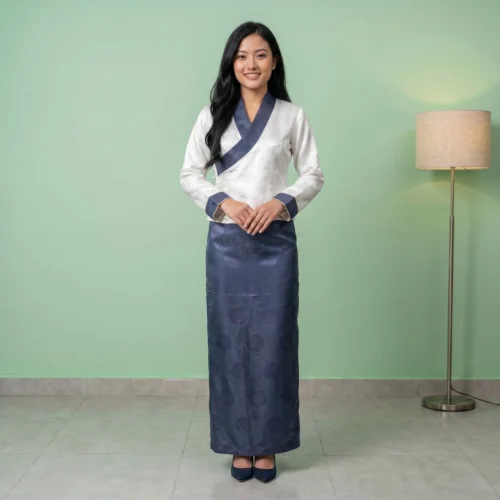
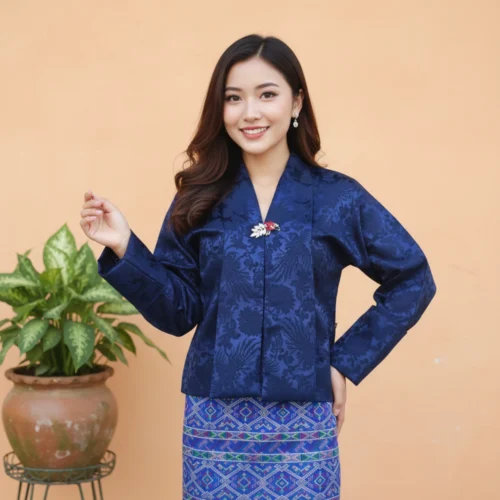
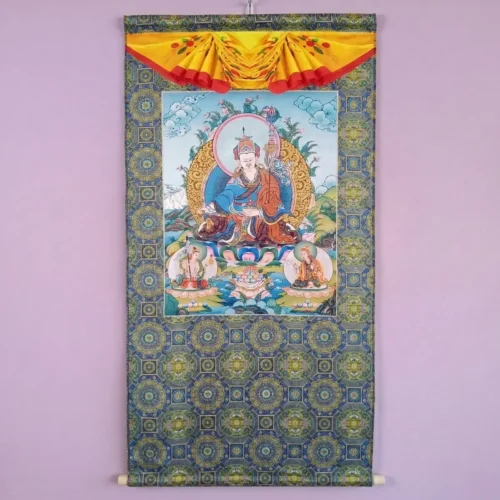
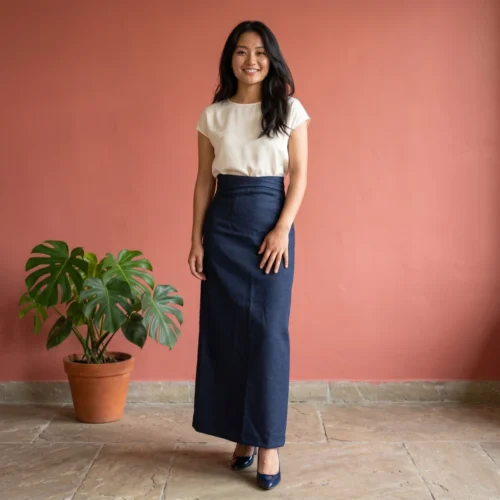
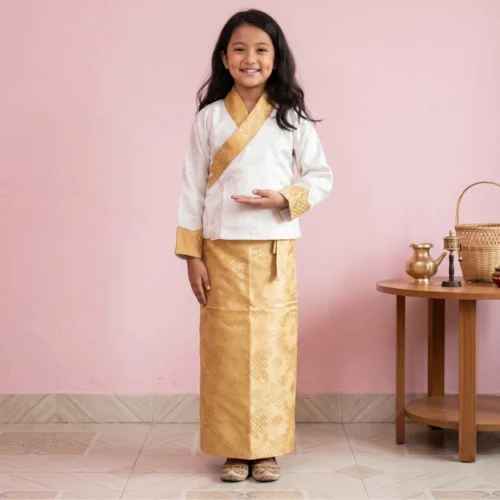

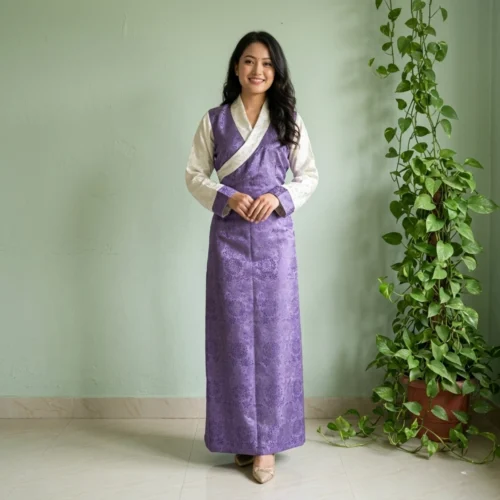
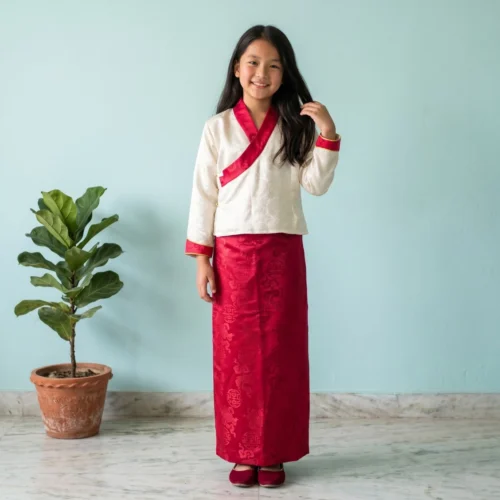
Tibetan culture does not draw a sharp line between what you wear and what you pray with. A Chuba robe carries the same intentionality as a prayer wheel — both are shaped by centuries of practice, meaning, and community.
Bhutib’s Tibetan collection is built on that principle: it brings together Tibetan traditional dress for men, women, and children alongside the sacred objects — singing bowls, prayer flags, prayer wheels, incense, and door curtains — that define Tibetan devotional and domestic life.
Everything here is sourced through artisan networks connected to our base in Kalimpong, West Bengal — a Himalayan town where Tibetan, Bhutanese, and Nepali craft traditions have intersected for generations. Each piece is inspected before it ships.
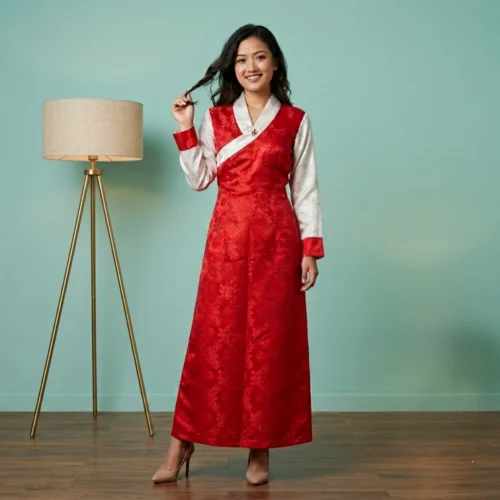
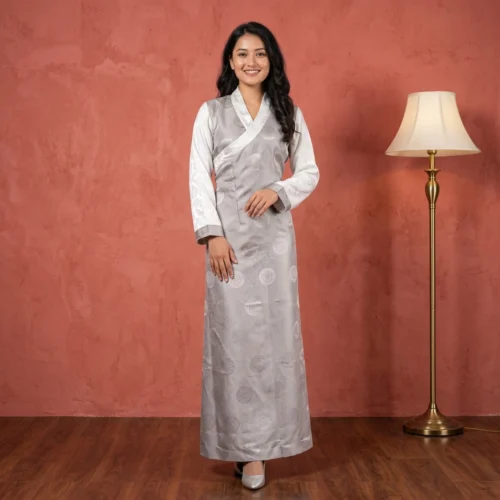
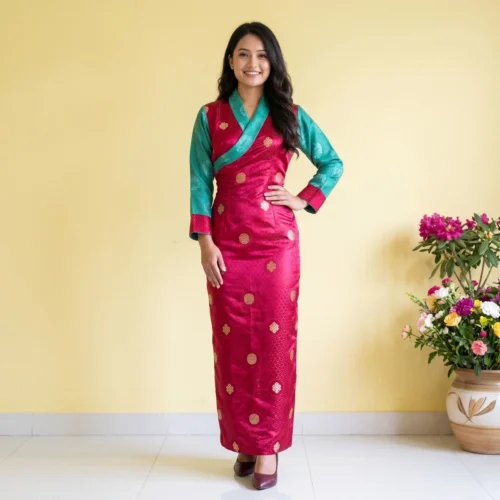
Tibetan dress has always been functional and symbolic at once. The Chuba (also written Chupa) — the long wrap-front robe — is the centrepiece. For women, it is paired with a Wonju, a soft silk or cotton inner blouse, and on formal occasions with a Pangden — the striped apron traditionally worn by married women as a visible social signifier.
Men’s Chuba cuts are streamlined and structured, often layered over a fitted shirt for festivals and formal gatherings. The Tego jacket (a traditional Bhutia silk top) and the Khenja (a jacquard or brocade coat) offer lighter, more versatile layering options that work with both Tibetan and contemporary outfits.
For children, Bhutib offers easy-dressing Bakhu sets — two-piece outfits designed for school cultural days, family events, and Losar celebrations — alongside kids’ Chuba robes with secure closures and reinforced hems. The collection also includes embroidered Soks (Tibetan boots), shawls, and stoles that complete ceremonial outfits without bulk.
Fabrics range from breathable cotton and slub for daytime wear to light jacquards and brocades for evening polish. These are clothes built for Losar, Saga Dawa, Lhabab Duchen, monastery visits, weddings, and cultural programmes — and for anyone who wants to wear Tibetan heritage with confidence in daily life.
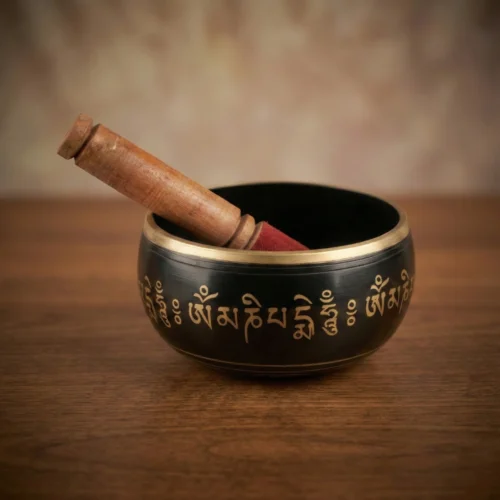
The Tibetan singing bowl is perhaps the most recognised object in Himalayan contemplative practice. Traditionally hand-hammered from bronze alloy — and in premium pieces, from a blend of up to seven metals linked to celestial bodies in Himalayan cosmology — each bowl produces a sustained harmonic tone when struck or rimmed with a wooden mallet.
Practitioners use singing bowls to anchor attention at the start of meditation, to mark intervals during yoga sessions, and in sound therapy for chakra alignment. Many carry engravings of the Om Mani Padme Hum mantra, connecting the auditory experience to the core compassion prayer of Tibetan Buddhism.
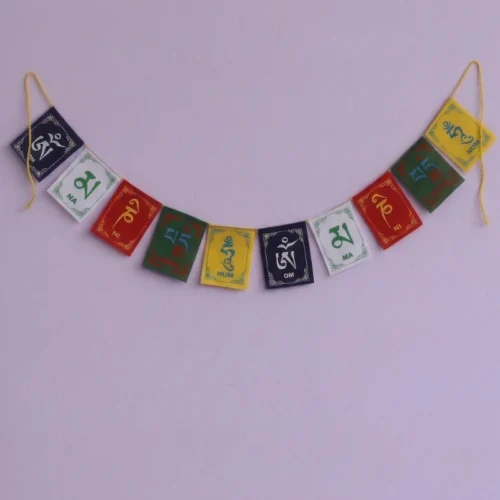
Tibetan prayer flags trace their origins to the pre-Buddhist Bon tradition, where coloured cloth appeared in healing ceremonies to balance elemental forces. The five colours — blue for sky, white for air, red for fire, green for water, yellow for earth — appear in strict sequence on every authentic set.
The iconic Wind Horse (Lung ta) symbol at the centre represents the swift transformation of misfortune into good fortune. Traditionally printed on cotton using hand-carved woodblocks, prayer flags are designed to fray and fade over time — a visible reminder of impermanence. Bhutib offers both horizontal Lung ta string sets and vertical Darchor pole flags, suitable for gardens, balconies, car mirrors, and motorcycle handlebars.
The Tibetan prayer wheel — mani khorlo in Tibetan — holds tightly wound scrolls of sacred text inside a metal cylinder. Each clockwise rotation is understood to release the merit of every mantra inscribed within, making it a devotional tool that integrates prayer into daily life.
Bhutib’s prayer wheels come in handheld and desktop table-stand formats, crafted in copper and brass with carved wood bases. Some feature turquoise and coral inlay work. A prayer wheel makes a powerful addition to a home altar or meditation space — and a deeply thoughtful gift for anyone drawn to Buddhist practice.
Tibetan incense is fundamentally different from Indian agarbatti. There is no bamboo core and no synthetic fragrance. Each stick is thick, coreless, and hand-rolled from raw plant material. The formulations come from Sowa Rigpa, the ancient Tibetan medical system, where incense functions as external therapy affecting the body’s three vital energies: Lung (Wind), Tripa (Bile), and Pekan (Phlegm).
Recipes can combine 30 to over 100 botanicals — including sandalwood, juniper, cedar, and saffron. Bhutib stocks dhoop sticks, rope incense on Lokta paper, and loose incense powder, with named blends like Kalachakra, Potala, Tara, and Paljor Healing.
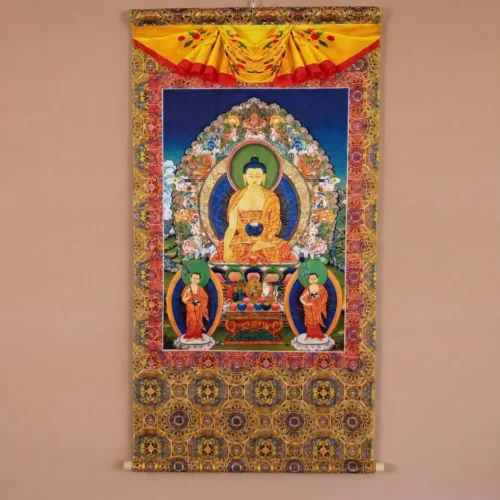
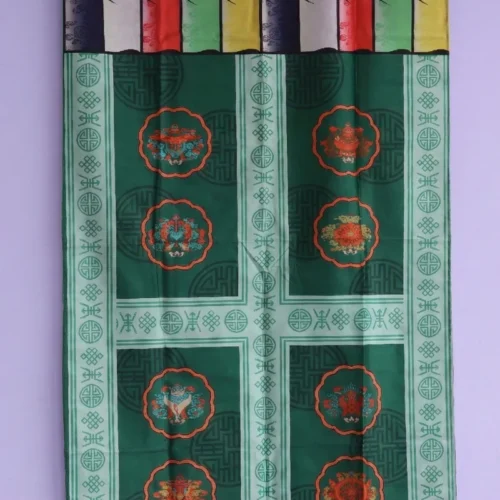
The Tibetan door curtain — known as go-chor — has hung at Himalayan entrances for centuries. These hand-embroidered and appliquéd fabric panels feature the Eight Auspicious Symbols (Tashi Takgyé): the Endless Knot, the Lotus, the Dharma Wheel, the Precious Parasol, the Victory Banner, the Two Golden Fish, the White Conch Shell, and the Treasure Vase. Beyond their spiritual role as threshold guardians, these curtains work as practical draught screens, room dividers, and focal-point wall art.
Yes. Bhutib designs and sources Chuba/Chupa silhouettes, Wonju inners, Pangden aprons, refined borders, and embroidered Soks — all key elements of Tibetan dressing — updated with modern fits and comfortable finishes.
A complete women’s Tibetan outfit typically starts with a Chuba (the wrap-front robe) layered over a Wonju (inner blouse). Married women add a Pangden — a striped apron worn at the waist as a traditional signifier. For a lighter, more modern option, a Tego jacket (Bhutia silk top) or a Bakhu skirt set works well for festivals and cultural events. Finish the look with a shawl or stole and a pair of embroidered Soks for formal occasions.
Start with the intended use. A 4-inch bowl suits personal meditation and travel, while a 5-inch bowl produces a deeper, more resonant tone better suited to sound therapy or room-filling presence. All our singing bowls come as sets with a wooden mallet and cushion. If you are new to singing bowls, the bronze 4-inch set is a good starting point — it offers a clear, accessible tone without requiring advanced technique.
Tibetan incense is coreless — there is no bamboo stick at the centre. Each piece is hand-rolled entirely from raw plant material, producing a thicker stick with an earthy, layered aroma. The recipes derive from Sowa Rigpa (Tibetan medicine) and can include 30 to over 100 botanical ingredients like juniper, sandalwood, and frankincense. Indian agarbatti, by contrast, typically uses a bamboo core dipped in fragrance paste, often with synthetic additives.
Prayer flags work best where wind can carry the printed mantras — gardens, balconies, rooftops, and open terraces are ideal. You can also hang them inside along a wall or across a meditation space. Tradition recommends hanging on sunny, windy mornings, with auspicious days including full moon, the 25th of the lunar month, and Losar (Tibetan New Year). As they fade naturally over time, replace them by ceremonially burning the old set.
A Tibetan prayer wheel (mani khorlo) contains tightly wound scrolls of sacred mantras — most commonly Om Mani Padme Hum — inside a metal cylinder. Spinning the wheel clockwise is understood to release the merit of every mantra inscribed within. Desktop table-stand models work well for home altars and meditation spaces, while handheld wheels are used during walking prayer and circumambulation.
Yes. While Tibetan door curtains (go-chor) carry deep spiritual meaning in Vajrayana Buddhism, many buyers choose them as wall art, room dividers, or draught screens. The hand-embroidery and appliqué work produces textile panels detailed enough to serve as a focal piece in any room — particularly in meditation spaces, yoga studios, and entryways.
Daura Suruwal · Khenja · Jacket
Bakhu · Wonju · Kira · Jacquard
Traditional Wear for children